|
Back in 2010, The seawater temperature stayed over 30.5 degrees Celsius for a long period of time resulted in widespread coral bleaching under the Thai seas.
At marine scientists' meeting organized by the Department of Marine and Coastal Resources to deliberate on how to tackle the situation, one recommendation was to build "Man-made dive sites". Because studies had found that when a natural coral reef becomes popular among divers, it tends to heavily be affected. However, closing a natural dive site or forbidding people from visiting the coral reefs would affect the local people's income in the tourism industry. In this situation, creating alternative dive sites would reduce the negative impact on natural coral reefs and allow them time to recover from bleaching.
As an operator of petroleum E&P projects in Thailand, PTTEP threw its support behind "the Under Water Learning Site Project" by studying and developing methods to transform former battleships to be underwater tourist attractions in Chumphon and Surat Thani Provinces. The project is a collaborative effort with various agencies including the Department of National Parks, Wildlife and Plant Conservation, the Department of Marine and Coastal Resources, Chumphon and Surat Thani administrations, local business operators and communities as well as the Royal Thai Navy and Kasetsart University's Department of Fishery served as the project's major driving force.
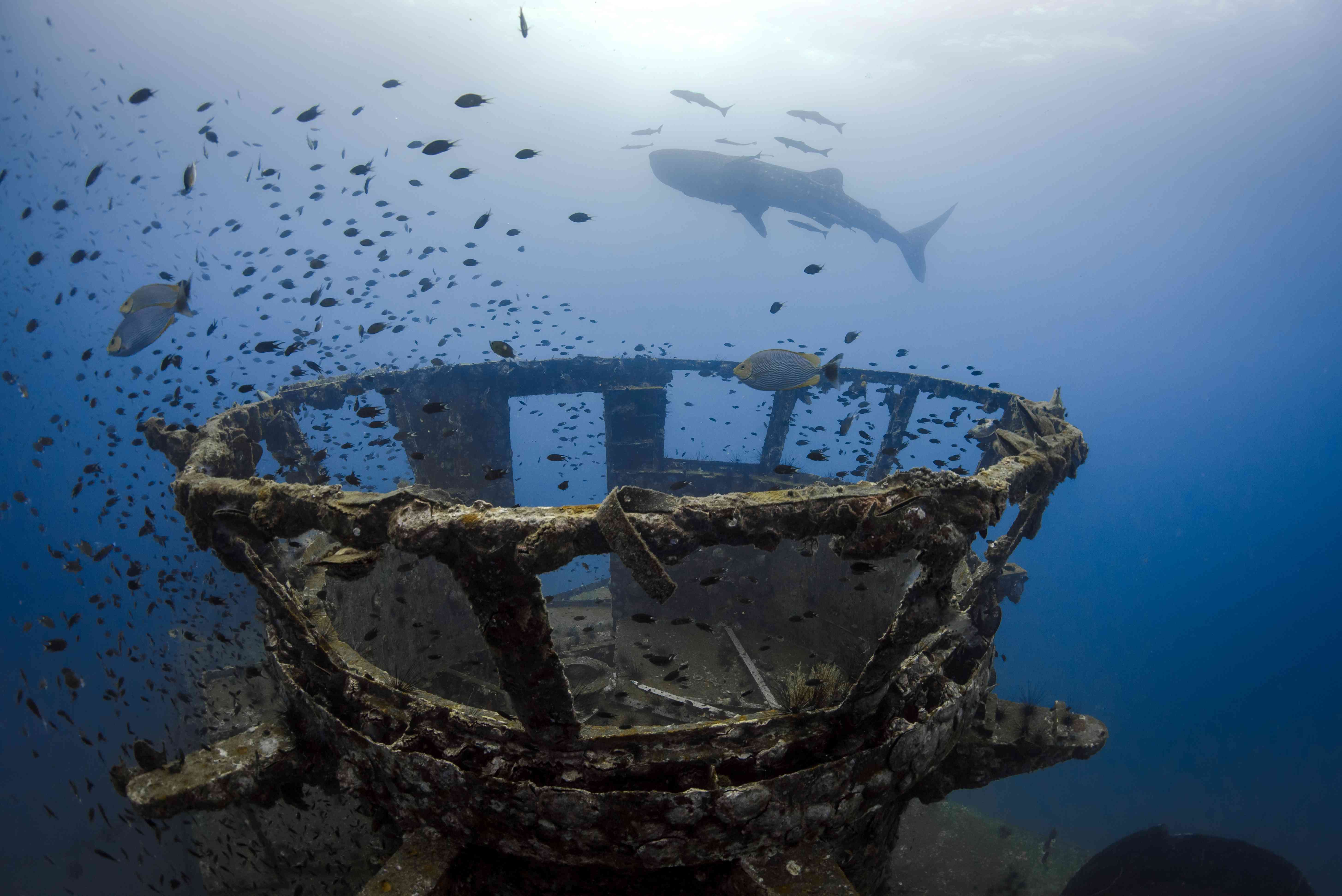
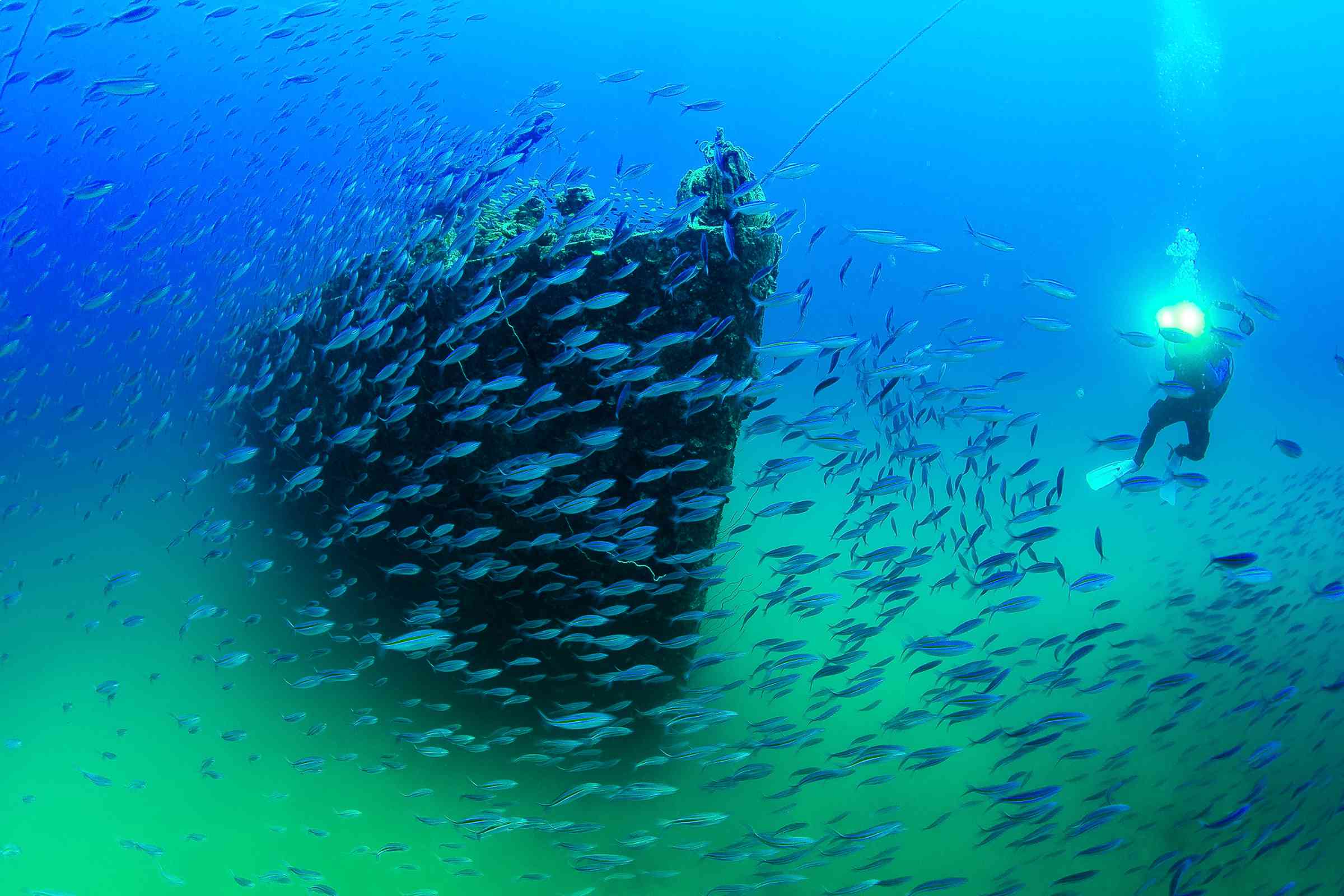
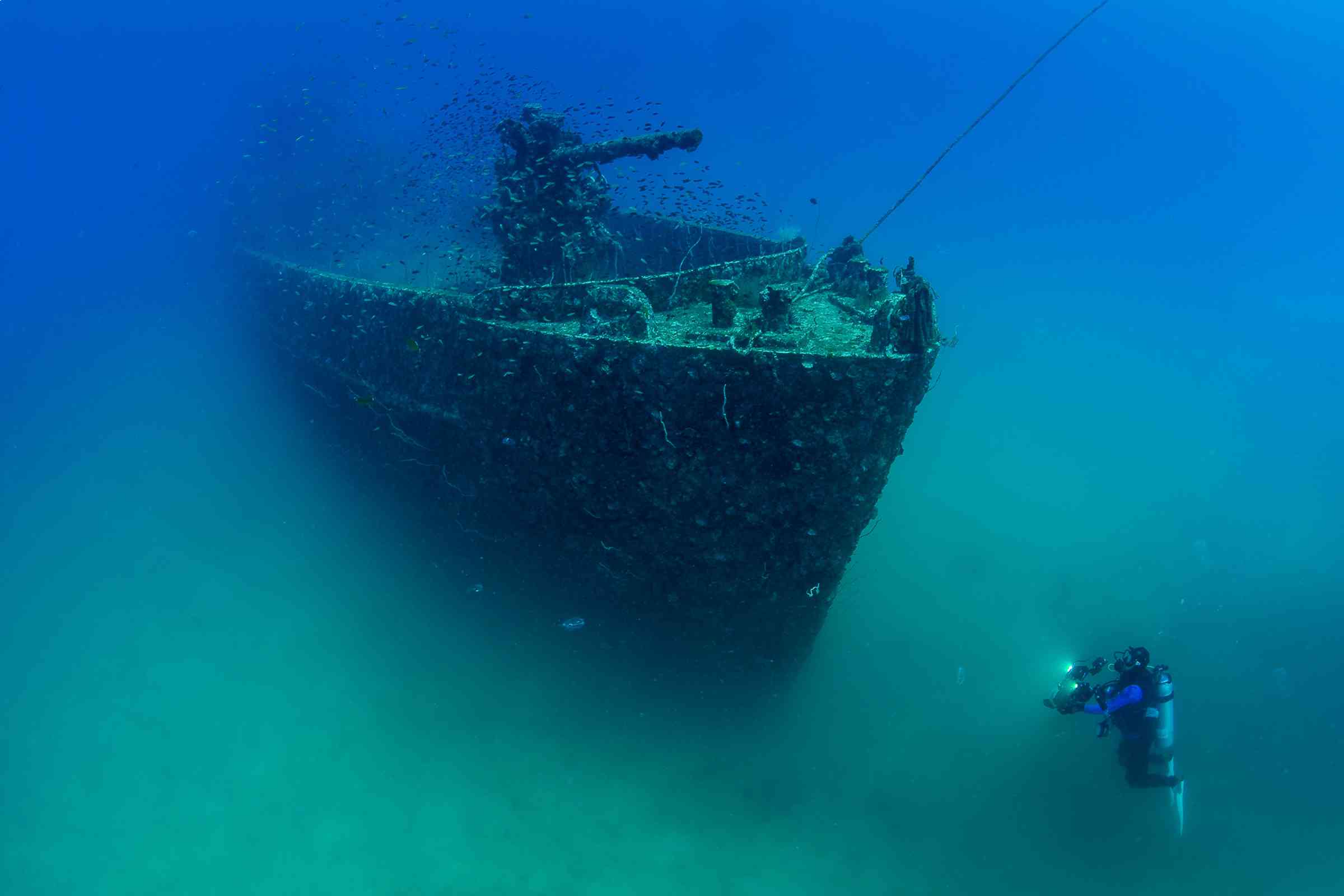
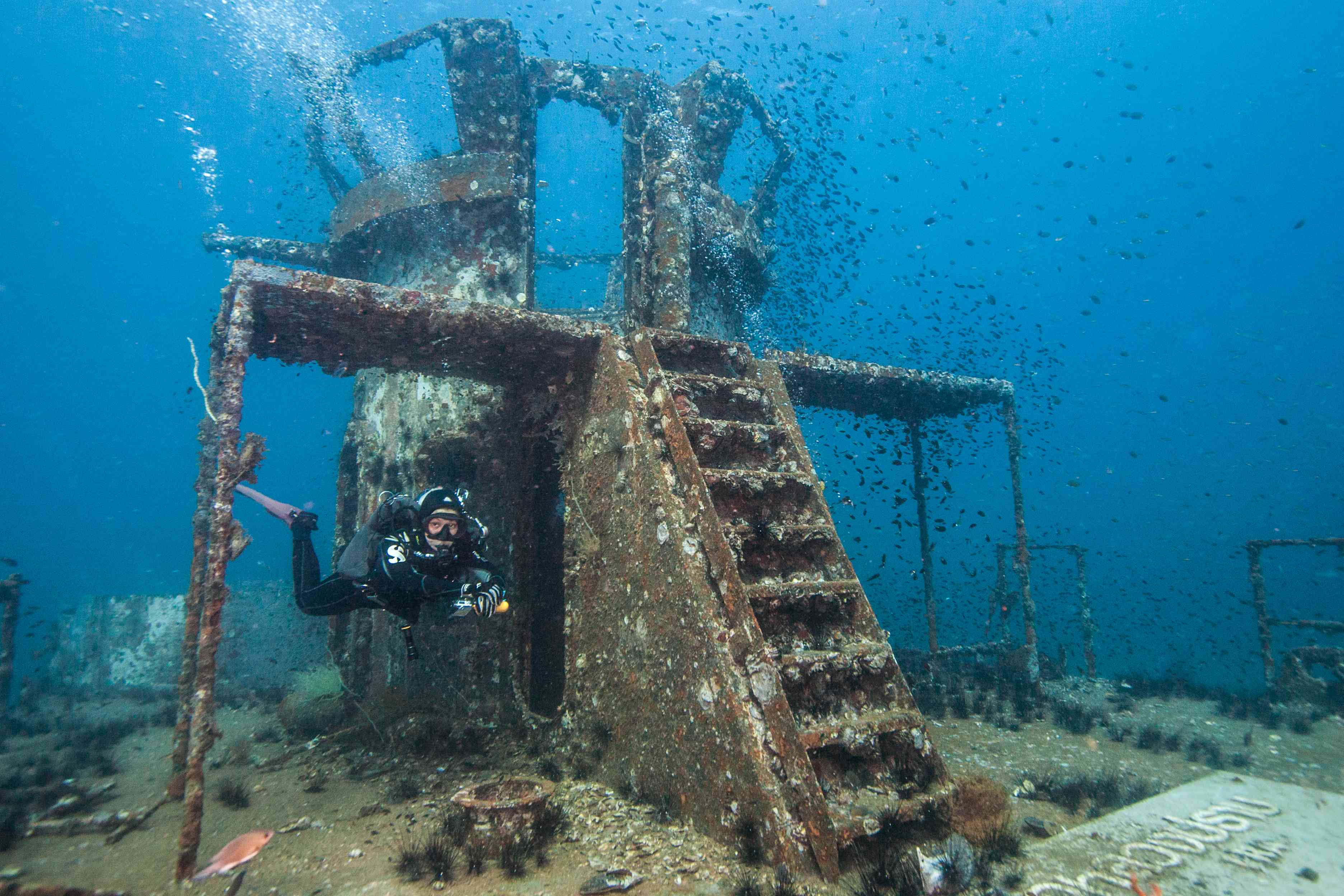
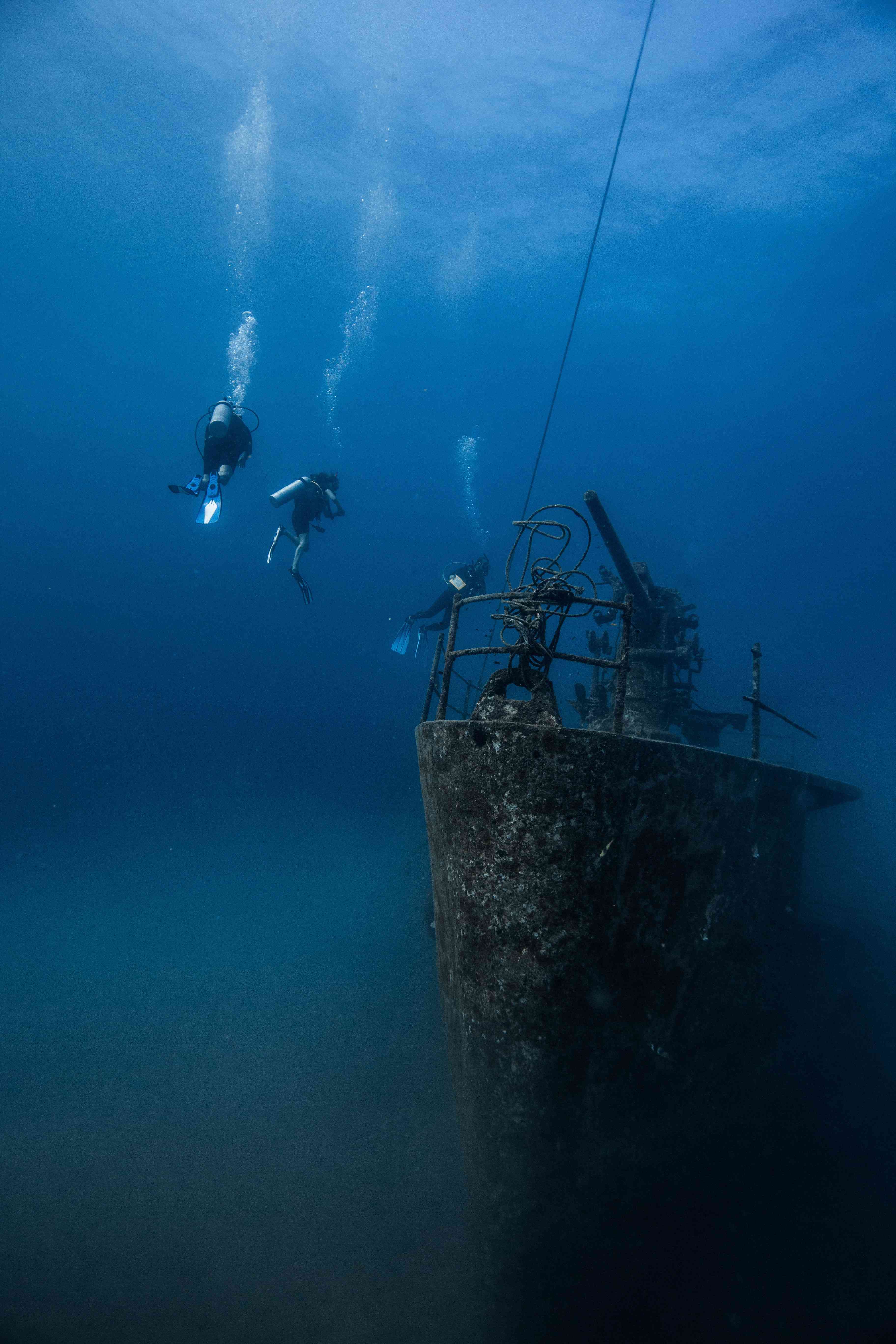
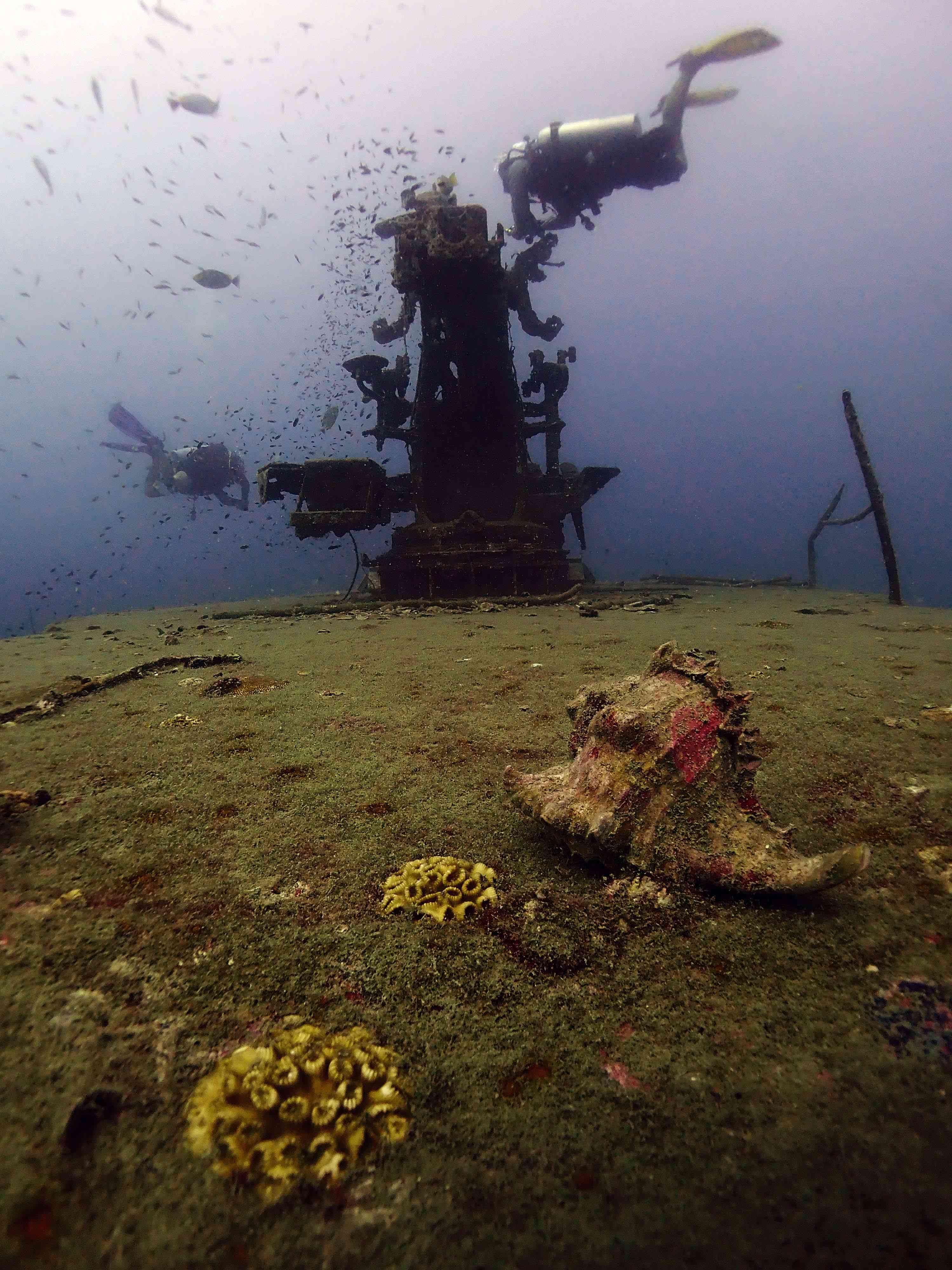
For this project, the Navy offered two suitably sized decommissioned ships for the project, namely H.T.M.S. Prab and H.T.M.S. Sattakut. Their histories themselves are impressive destinations for divers as wreck dive sites.
The important criterion for the man-made dive site is the location: it must reduce impacts on the coral reef. That means the chosen location must be conveniently accessible to divers, and not too far from natural coral reefs which are known tourist attractions either.
Hence, before two former battleships were scuttled on the seabed, discussion was held with various agencies and stakeholders. To find out the most suitable place to rest the ships, the studies on the underwater ecology and marine life diversity were conducted before and after sinking and studied the sea currents, visibility, topography and the number of marine animals. Koh Tao, Surat Thani Province and Koh Ngam Noi, Chumporn Province fit all the criteria.
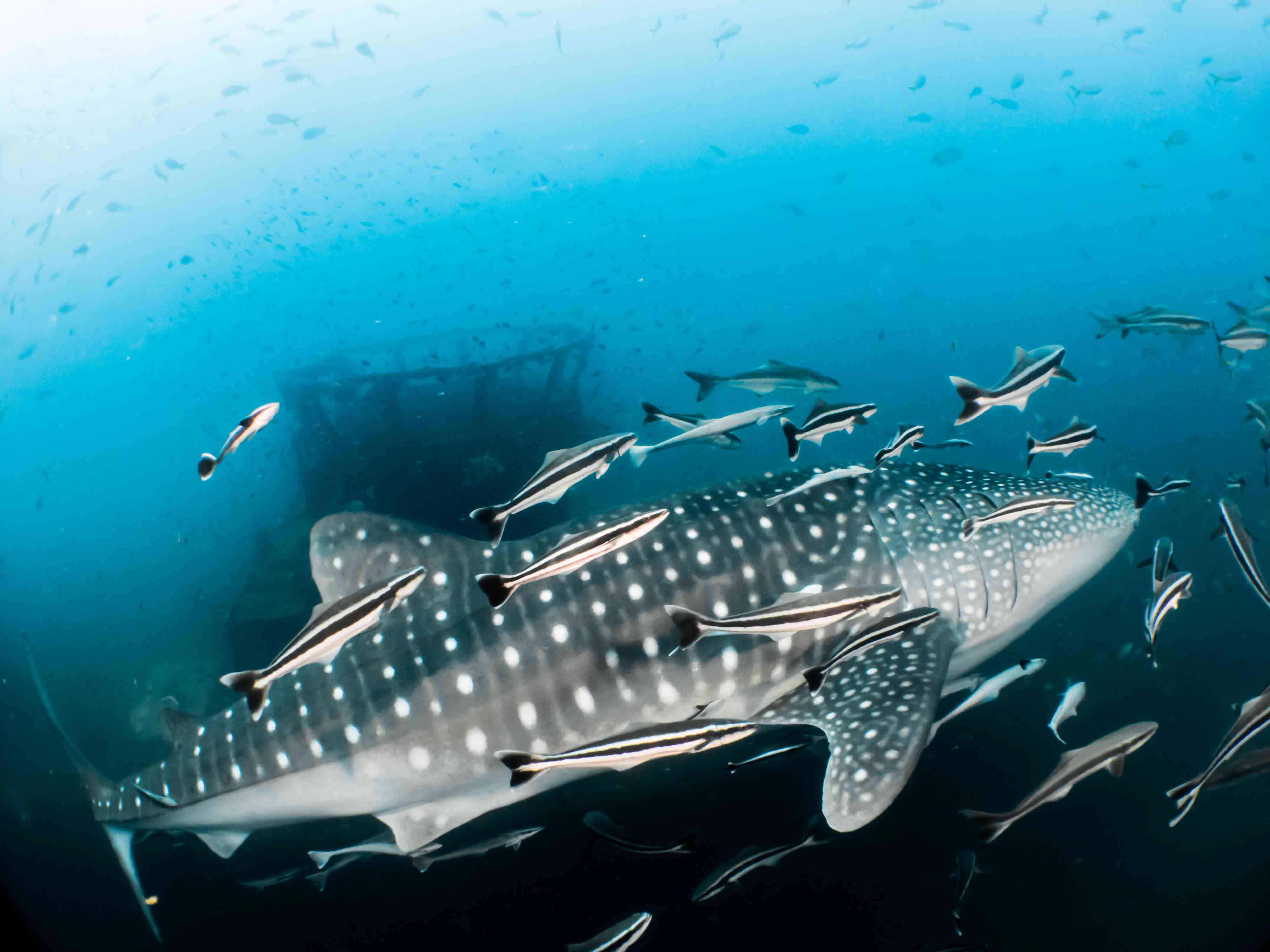
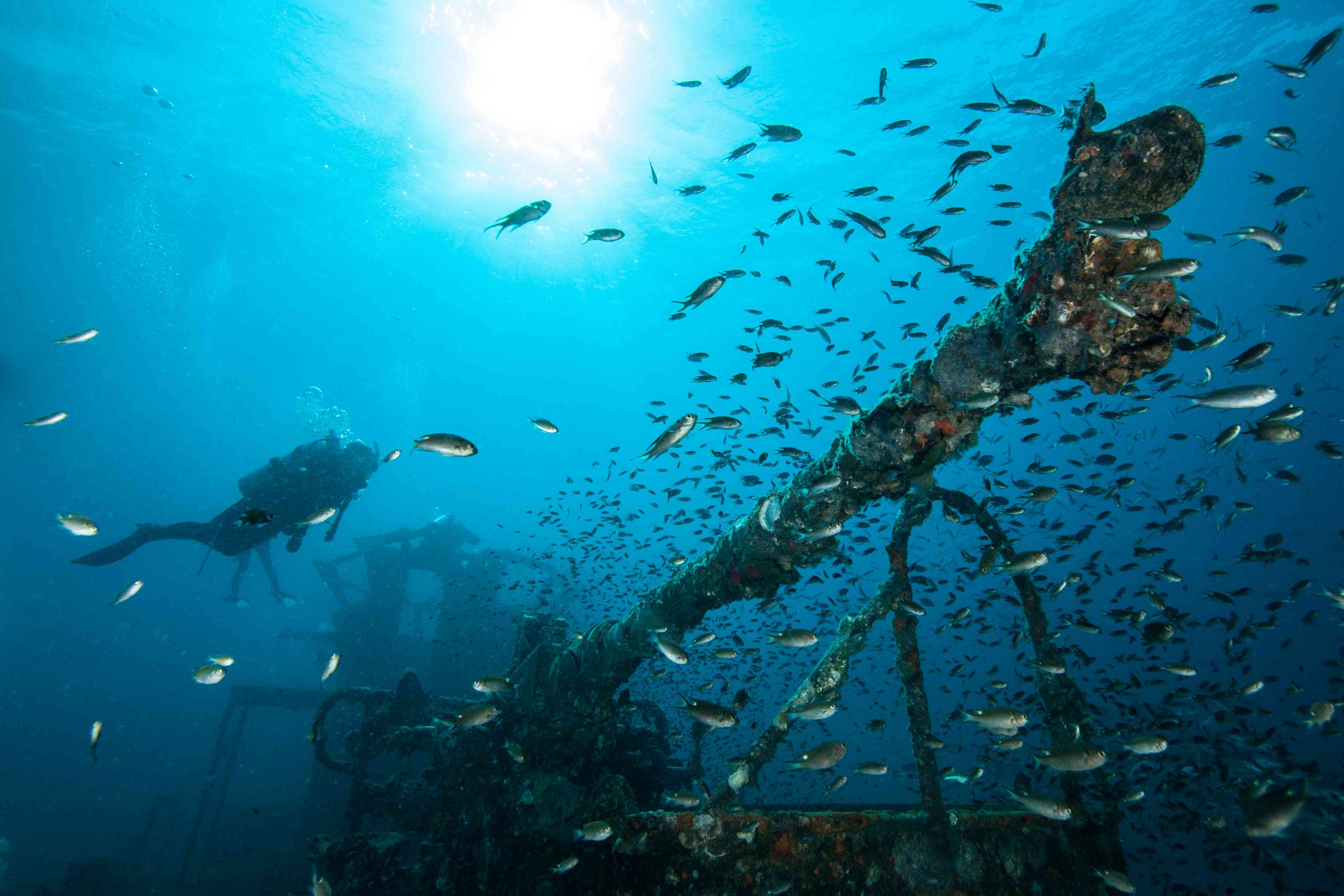
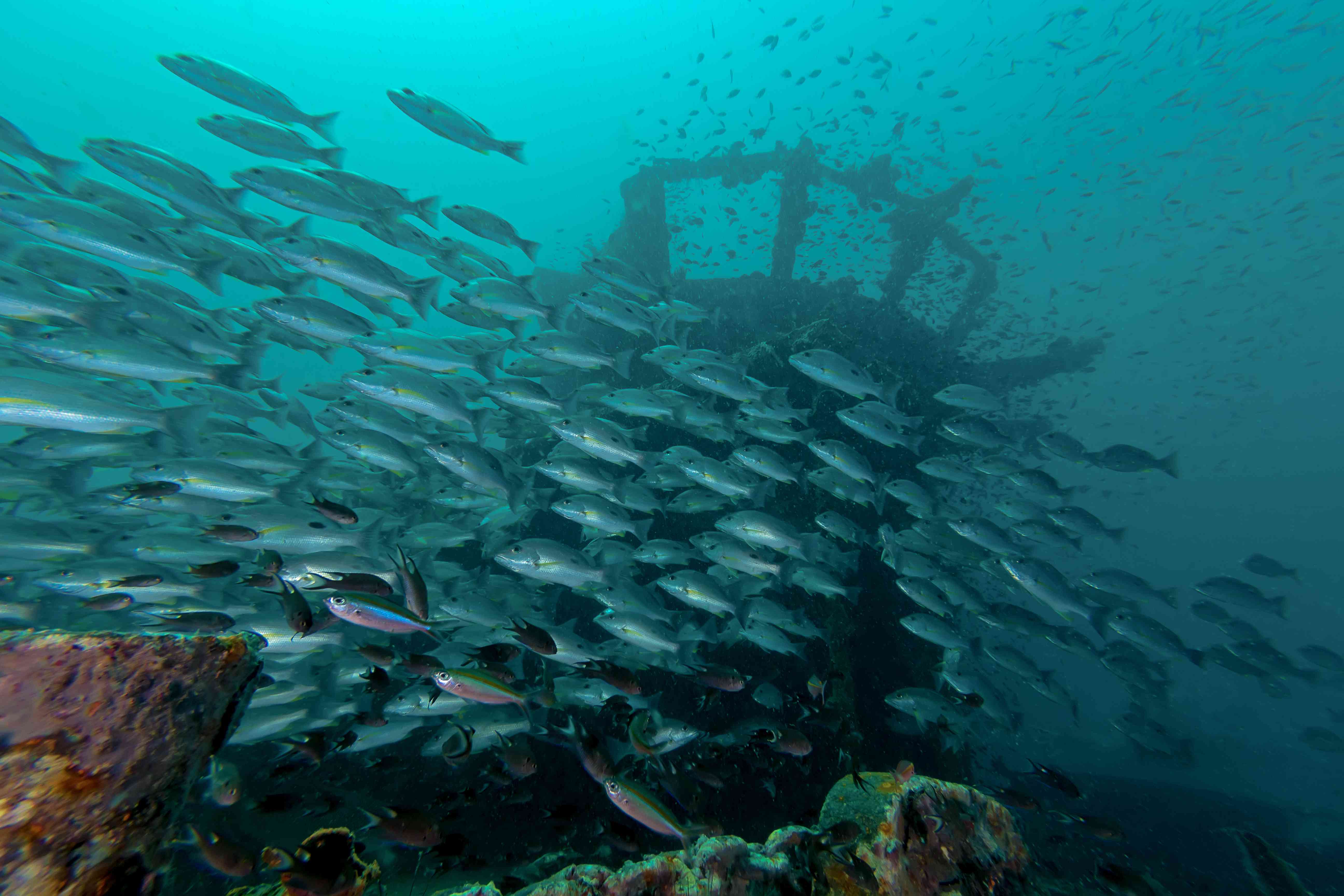
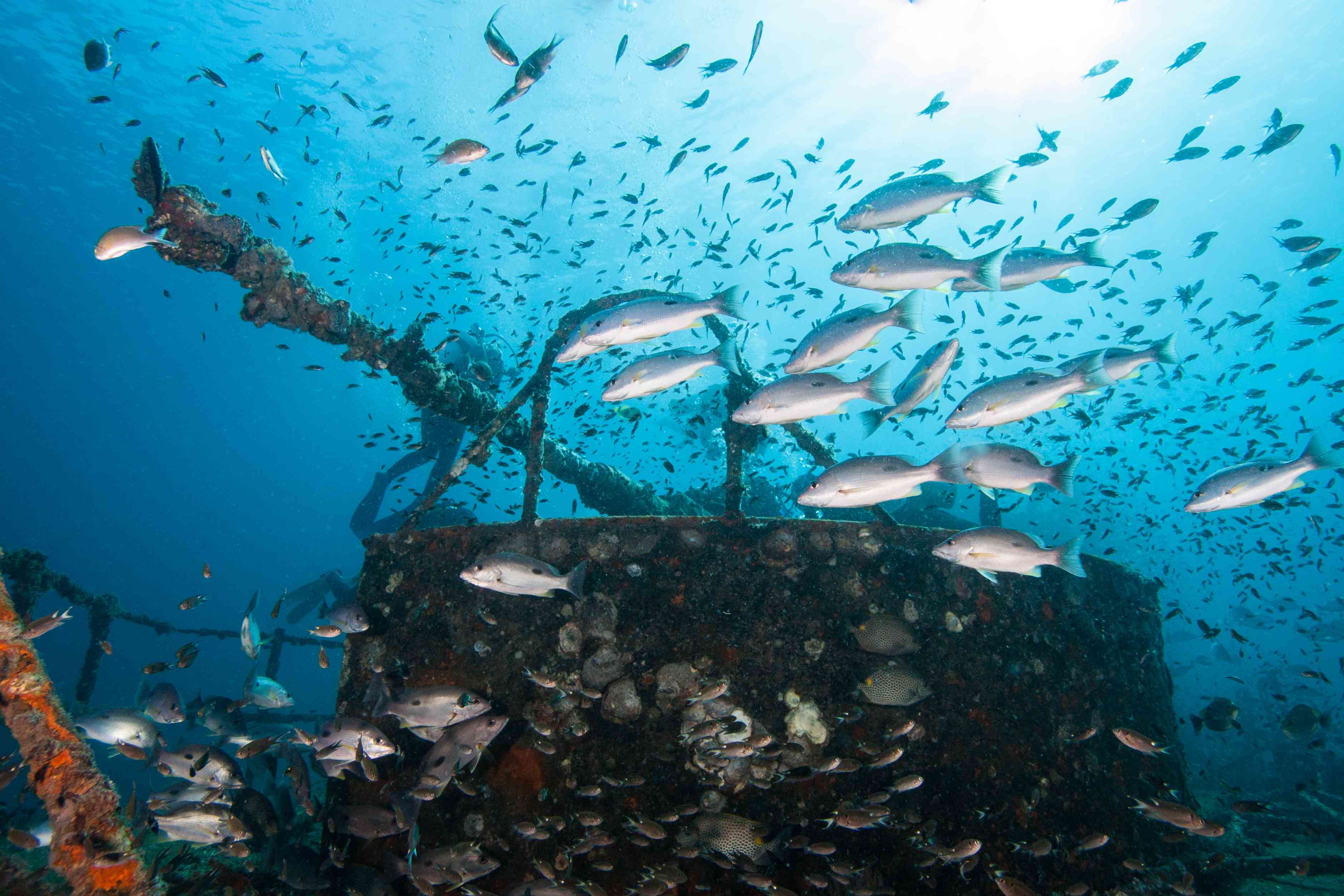
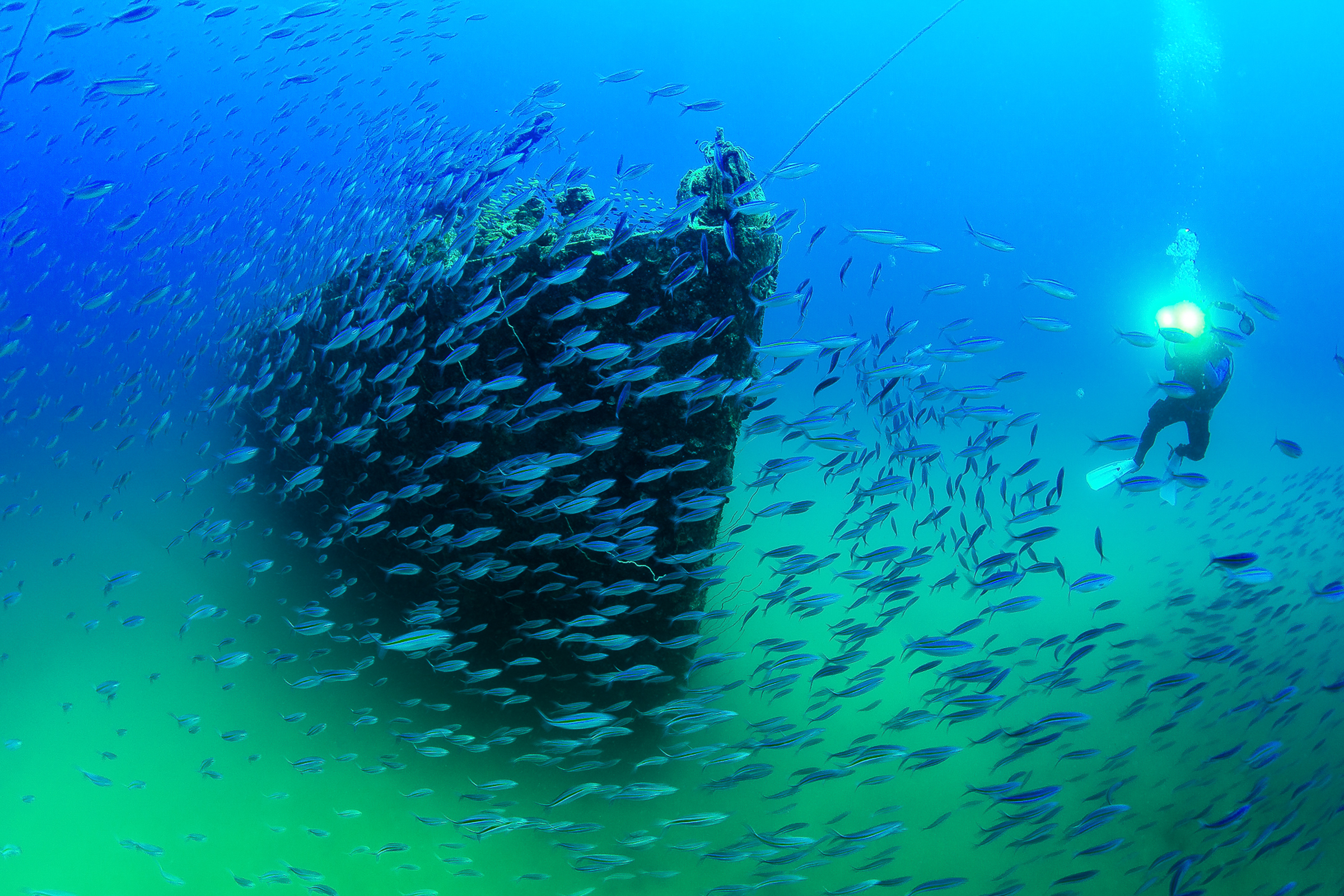
For ten years, these two battleships have been recognized to serve as artificial coral reefs. A wealth of marine biodiversity at the sites has eventually attracted divers and tourists to learn more about the history of Thai battleships. This has generated jobs and income for local communities and businesses approximately Baht 59 million per year from more than 28,000 visitors per year. PTTEP has carried out analysis on Social Return on Investment (SROI) of this project by translating social and environmental outcomes, compares to the value from project investment of time, money and other resources. It appears that the value of the SROI ratio is 5.34: 1.
Under Water Learning Site Project received many international awards including Green World Awards 2023 (The United States of America), Gulf Sustainability Awards 2021 (Silver) Best Community Development (The United Arab Emirates), Global CSR award 2020 - Platinum Winner (India), Stevie Award (Silver) Innovation in Community Relations (Singapore), Best CSR Campaign (Indonesia), Best Environmental Excellence Award – Gold (Indonesia) and Green Leadership (Philippines).
|