| |

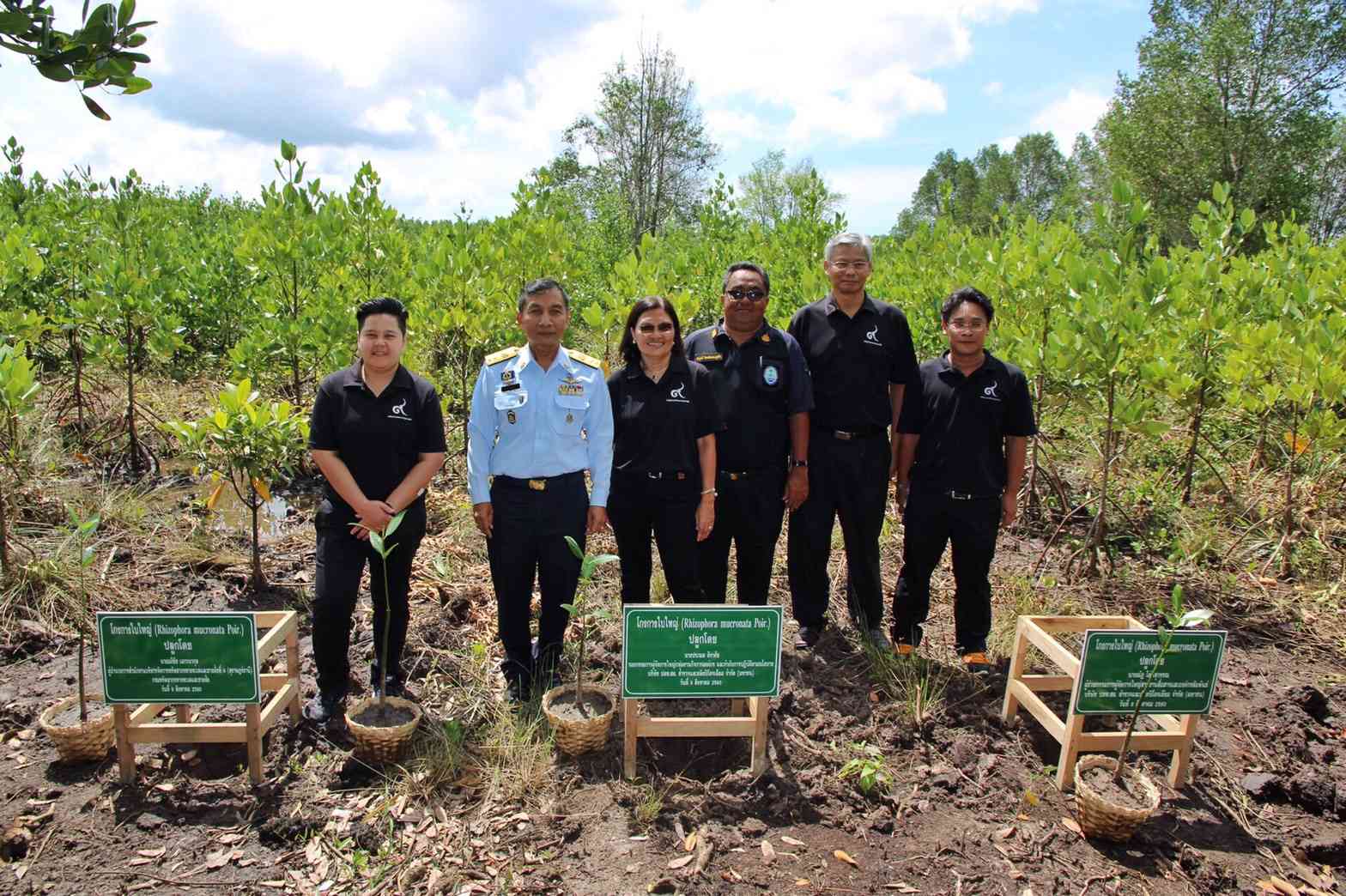
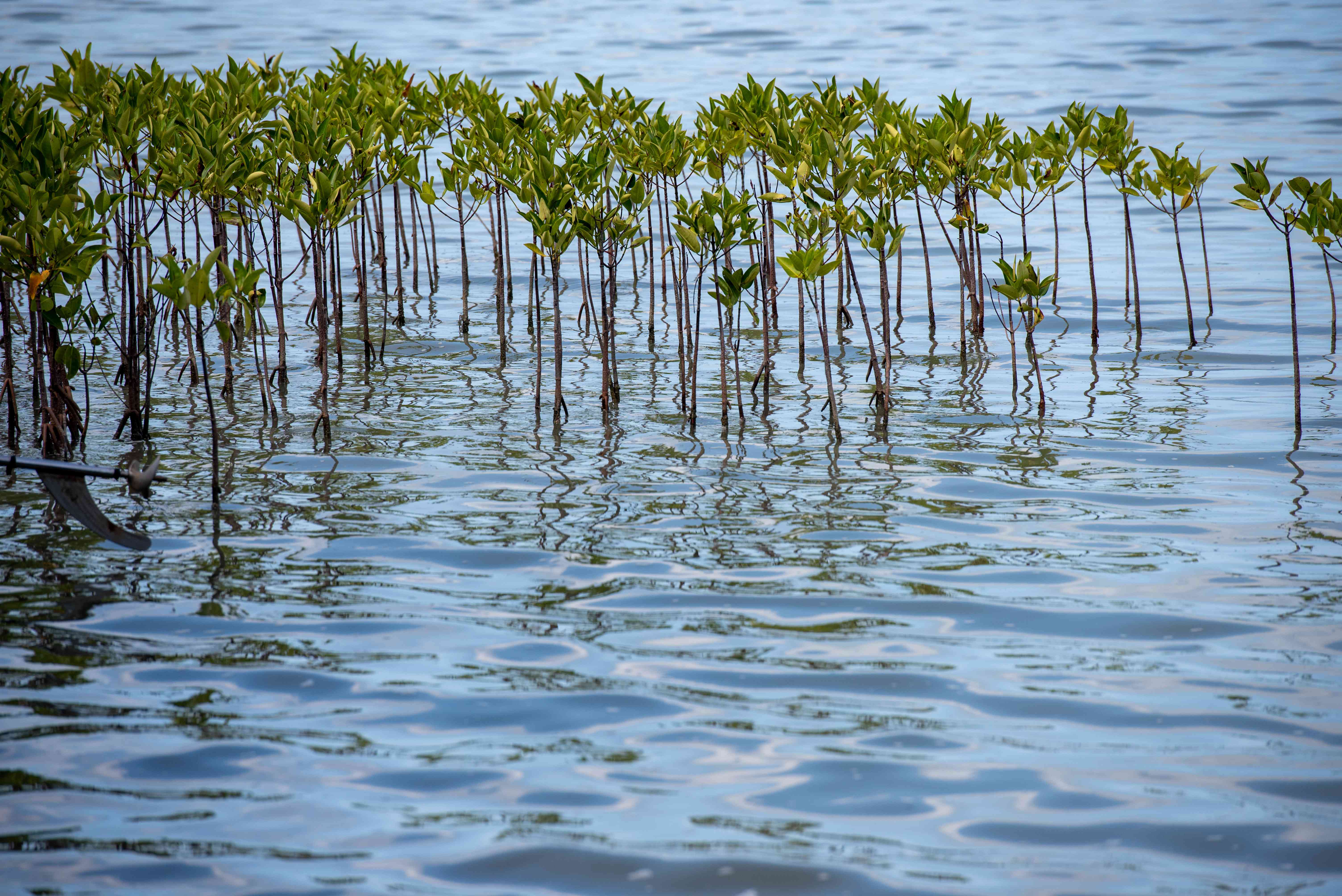
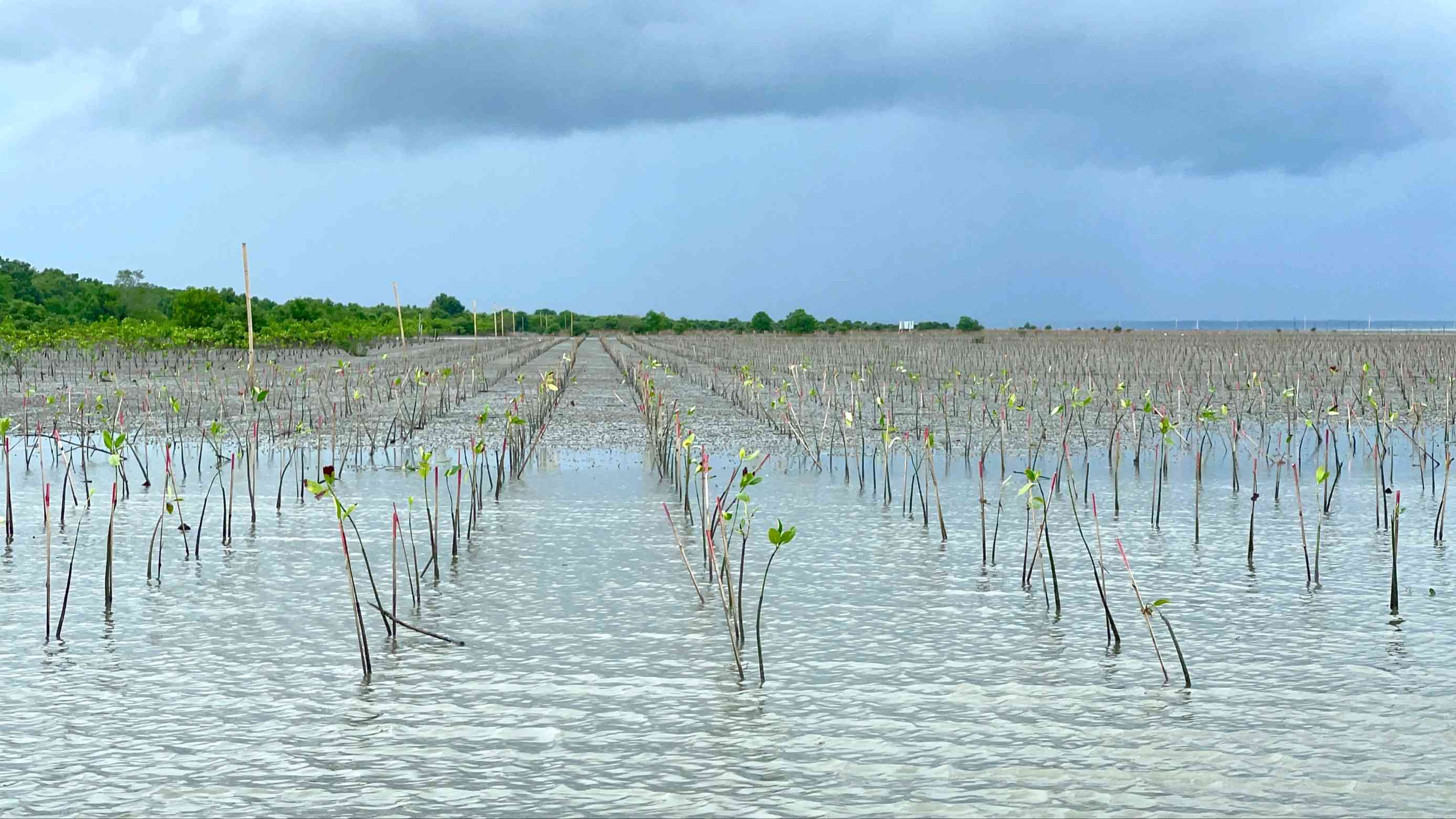
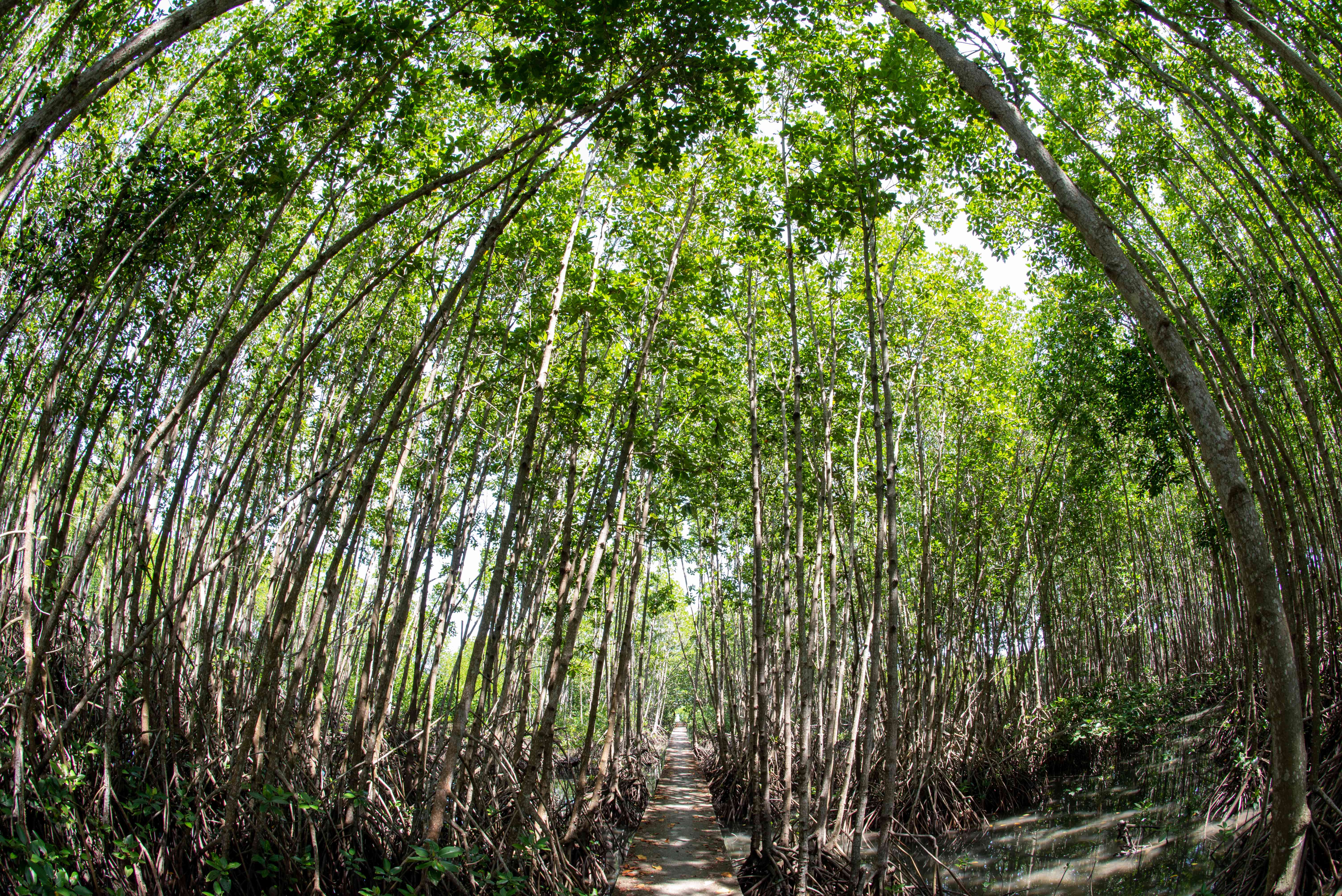
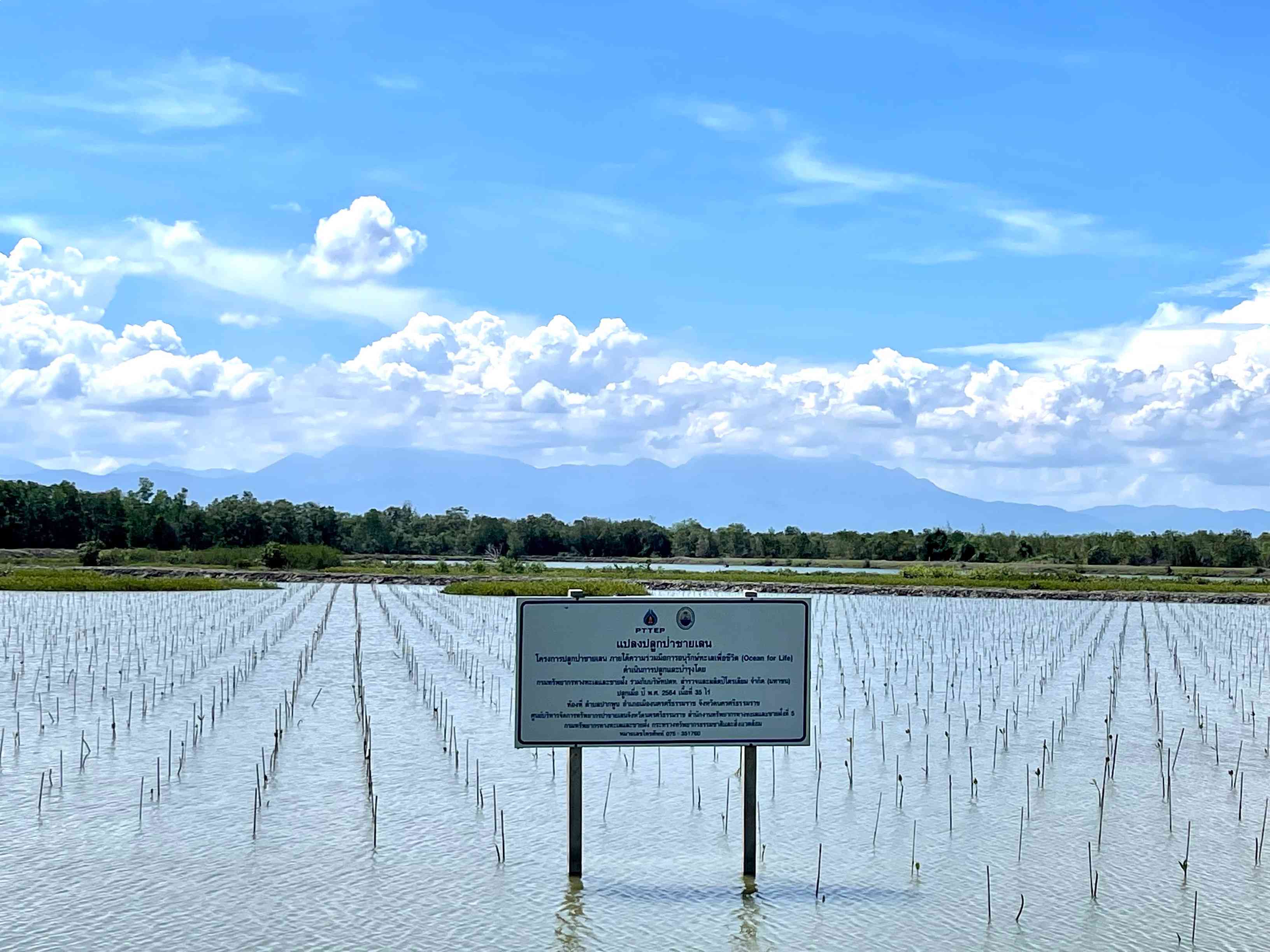
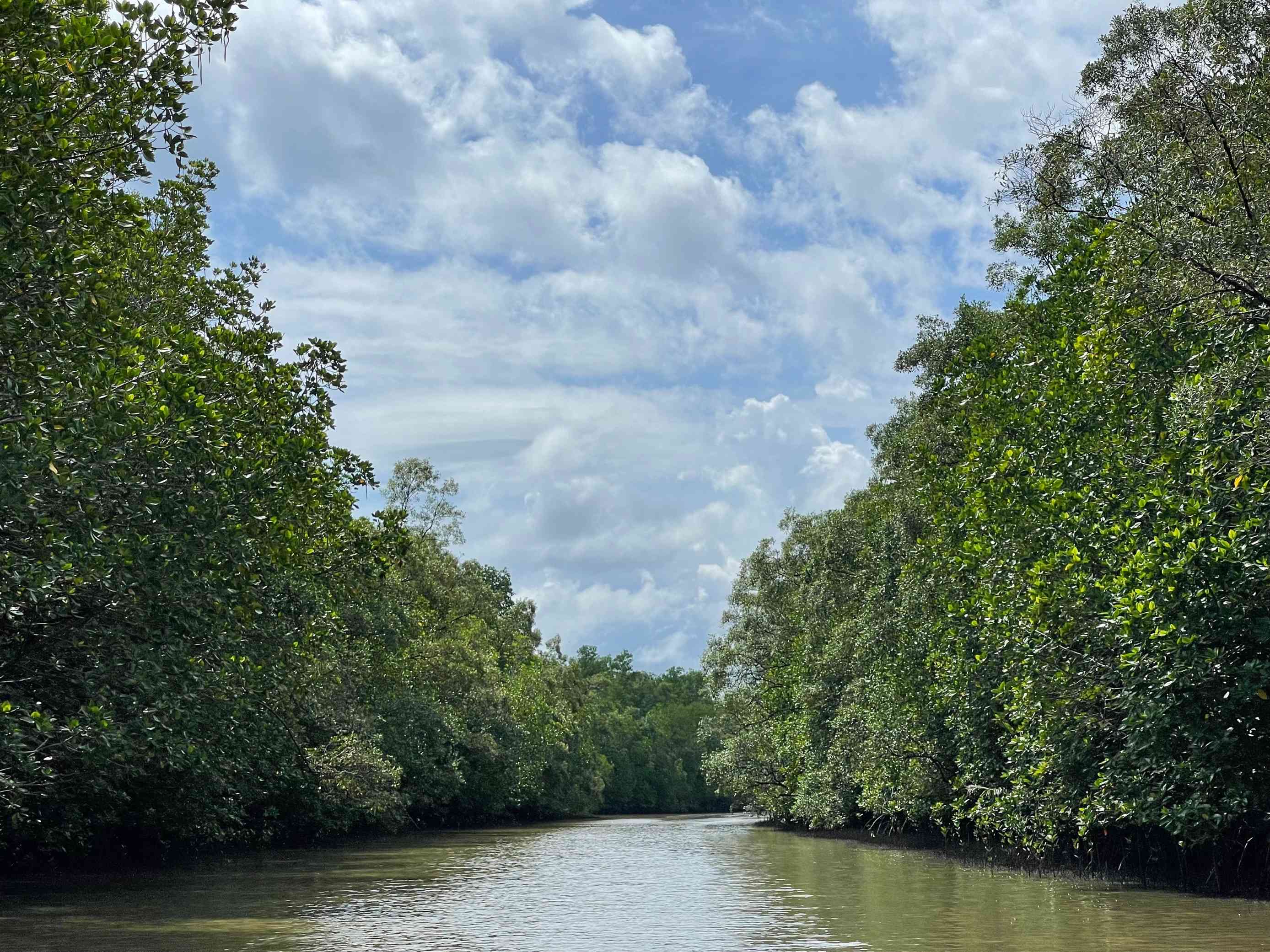
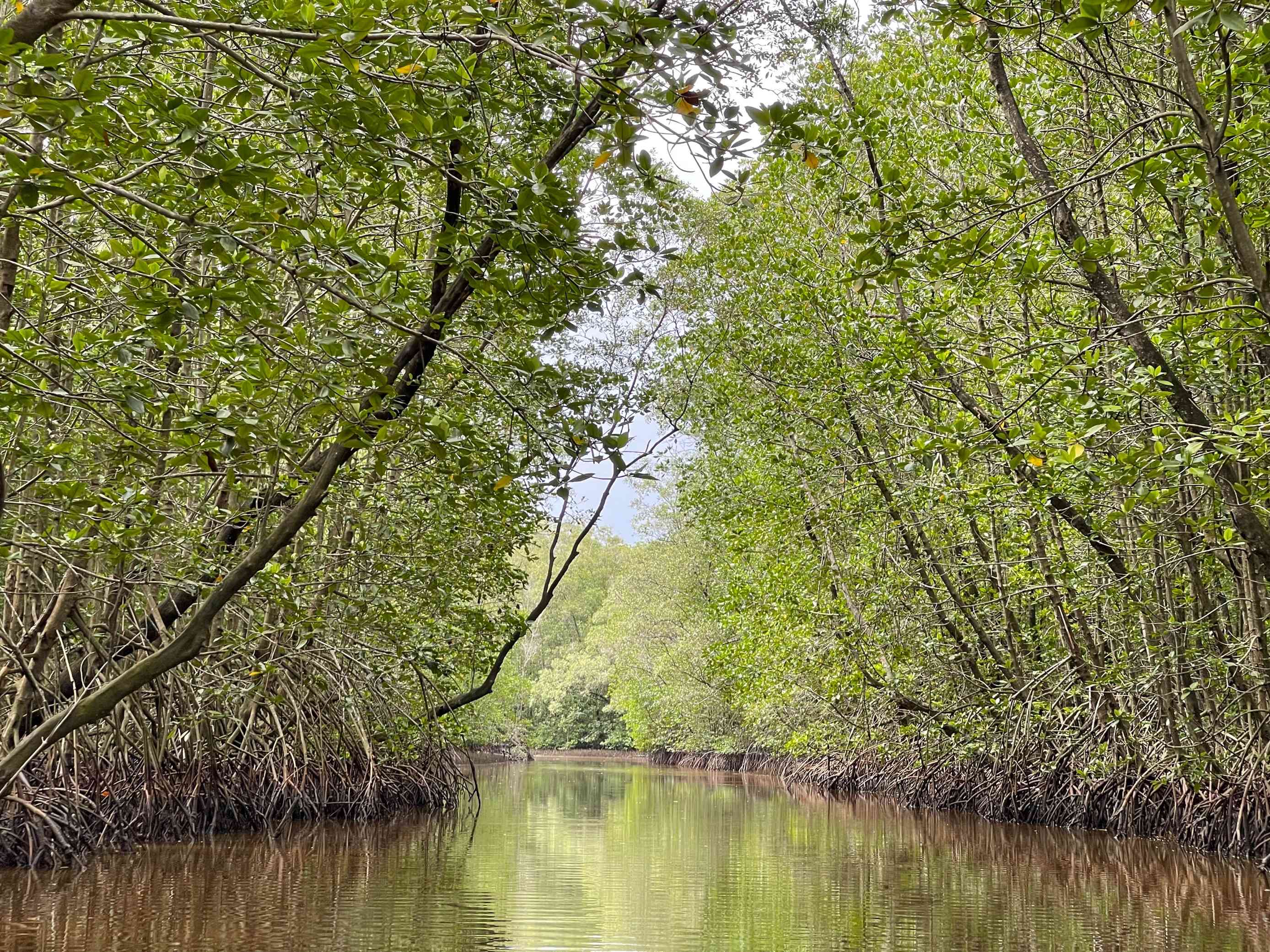
Mangrove reforestation project targets to increase biodiversity and marine resource abundance, through the restoration of degraded mangrove forests and turning it to Thailand's coastal hatchery centers. The project sets the goal to expand mangrove forests to increase carbon sinks. To date, PTTEP secured government approvals to conserve and restore a total accumulated 5,007 rai of mangrove forests. Additionally, PTTEP collaborated with Kasetsart University to conduct biodiversity research and continuous performance assessment of the reforestation areas, in collaboration with relevant government agencies. The studies indicated a tree survival rate exceeding 85%, surpassing the government benchmark of 80%. A forest safeguard network for climate change adaptation was established in PTTEP's mangrove forest areas, to safeguard the reforested and rehabilitated forests and mitigate the future impacts of climate change on coastal areas. Meanwhile, the forests act as natural carbon sinks and help increase benthic organisms.
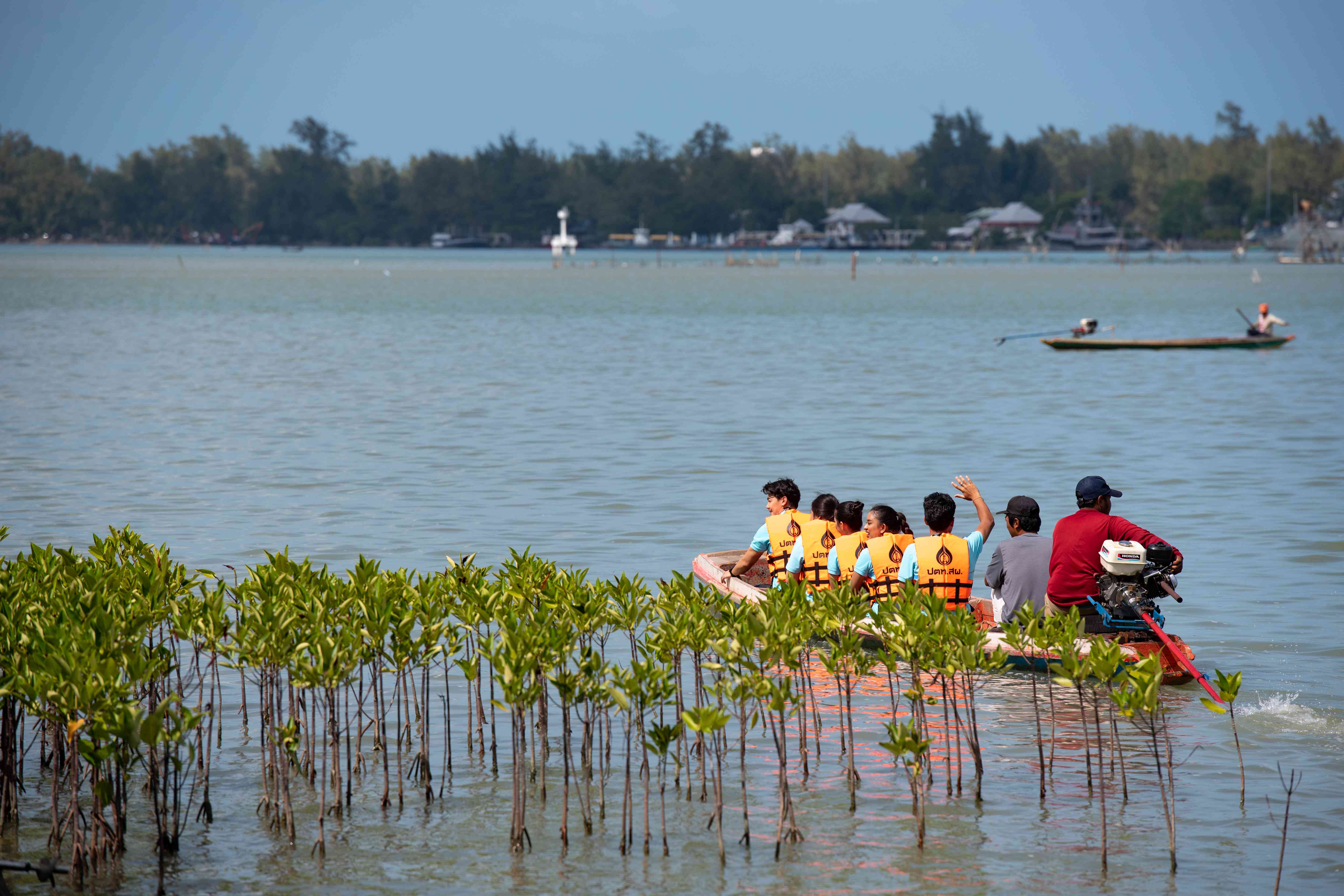
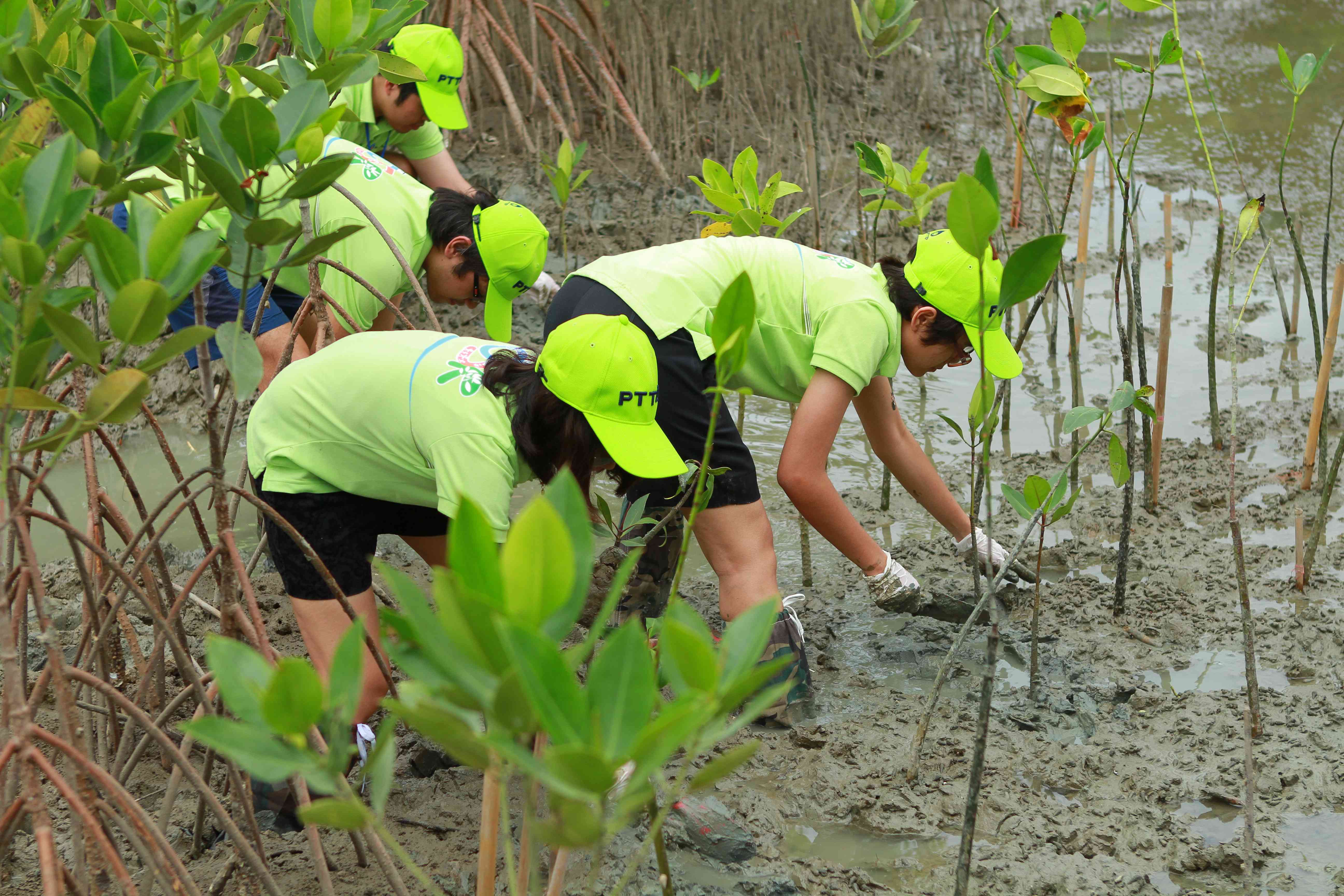
Aside from the executives, employees and family members in the reforestation activity, the project also aims to build a network to conserve and protect PTTEP’s mangrove forests and create jobs for local people. In 2030, the mangrove forests are expected to adsorb carbon dioxide equivalent to support the greenhouse gas emission reduction target as part of the “EP Net Zero 2050” and increase benthos by 25% compared to the period before project implementation.
PTTEP has carried out analysis on Social Return on Investment (SROI) of this project by measuring the social impact of the program with the financial quantification calculation (monetization). This method is intended to measure the value of the financial impact of the program that compares to the value of the impact to the cost of the program that has been invested into. It appears that the value of the SROI ratio is 4.40 : 1
|
|